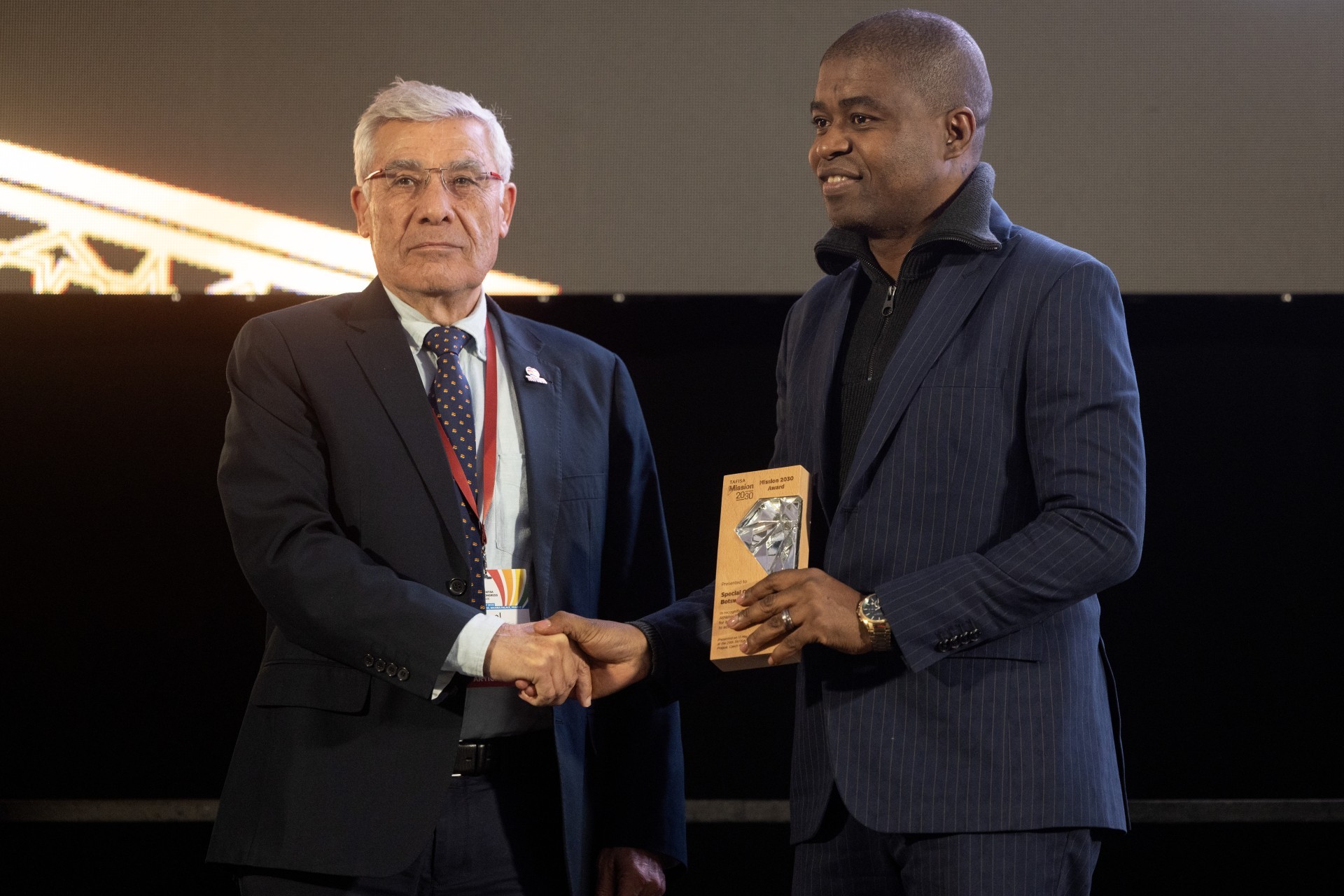
Special Olympics Botswana's Healthy Athletes Initiative is creating impact by combining what it does best-sport-with what communities most urgently need: health screenings and referrals for people with intellectual disabilities. The organisation has earned the TAFISA Mission 2030 Award for this pioneering approach that proves sport can be far more than recreation-it can be a powerful delivery platform for health equity.
Spotlight session with the Special Olympics Botswana's Healthy Athletes Initiative team.
Botswana faces a critical challenge: many people with intellectual disabilities, particularly in rural areas, lack access to basic health screening and treatment. Conditions such as vision problems and hearing loss could go undetected. Treatable conditions progress silently.
"In communities like Rakops and Kgalagadi, where access is limited, we have identified untreated vision, hearing, and general health conditions at scale," Special Olympics Botswana explains. "The award amplifies these results and reinforces the importance of early detection and prevention in reducing long-term health costs and improving quality of life for people with intellectual disabilities."
The statistics reveal the magnitude of the need. Through a single activation in Rakops, the initiative screened over 100 individuals and identified multiple untreated conditions. Across Kgang, Rakops, Maun, and Lobatse, Healthy Athletes Botswana has reached over 1,000 individuals in the past 12 months alone, demonstrating both the depth of need and the effectiveness of community-based service delivery.
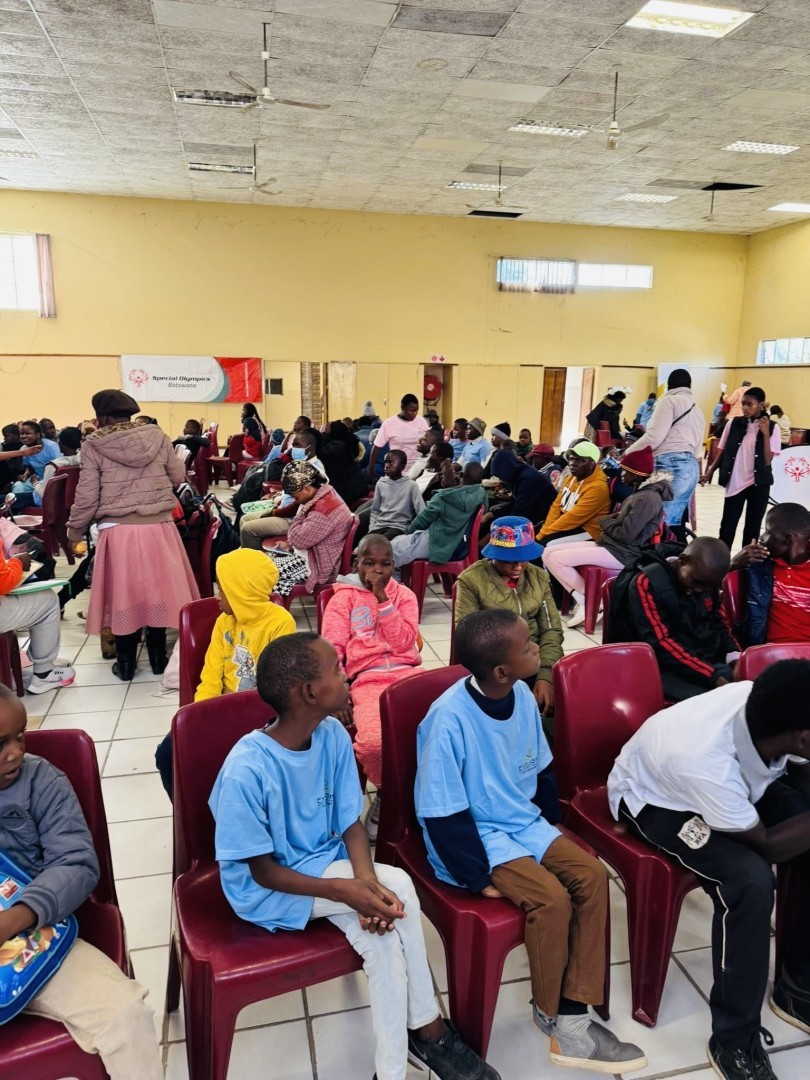
Winning the Mission 2030 Award marks a critical transition for Special Olympics Botswana. "Winning the Mission 2030 Award strengthens our ability to move from programme delivery to systems influence," the team reflects. "It gives us global validation for a model that has already delivered thousands of screenings and reached over 1,000 individuals in the past year alone across rural and urban Botswana."
This validation carries practical significance. "Practically, this recognition improves our positioning with government and funders, enabling us to push for integration of our screening and referral model into national health systems rather than operating as parallel outreach."
In other words, the award helps transform Healthy Athletes Botswana Initiative from a well-intentioned parallel program into an essential component of Botswana's health infrastructure.
The rural outreach model at the heart of Healthy Athletes Botswana represents both a challenge and an achievement worth celebrating.
"A key milestone is our rural outreach model. In Rakops, individuals travelled over 150 km to access services, highlighting the access gap," the team notes. "Through a single activation, we screened over 100 individuals and identified multiple untreated conditions, immediately linking cases to the public health system."
This is not merely about numbers, though reaching over 1,000 individuals across dispersed communities is significant. It is about removing the fundamental barrier of geography and meeting people where they are. It is about recognising that in rural Botswana, sports events already draw communities together. Why not use those existing gathering points to deliver health services?
The approach acknowledges a critical insight: "Reaching marginalised populations requires meeting them where they are, and building systems around their realities, not expecting them to fit into existing ones."
Healthy Athletes Botswana's success stems from its multi-level engagement model that reaches not just individuals, but entire systems.
The initiative operates through a comprehensive structure:
"This structure ensures engagement across the full ecosystem, from community to policy level, rather than isolated participation," the team shares.
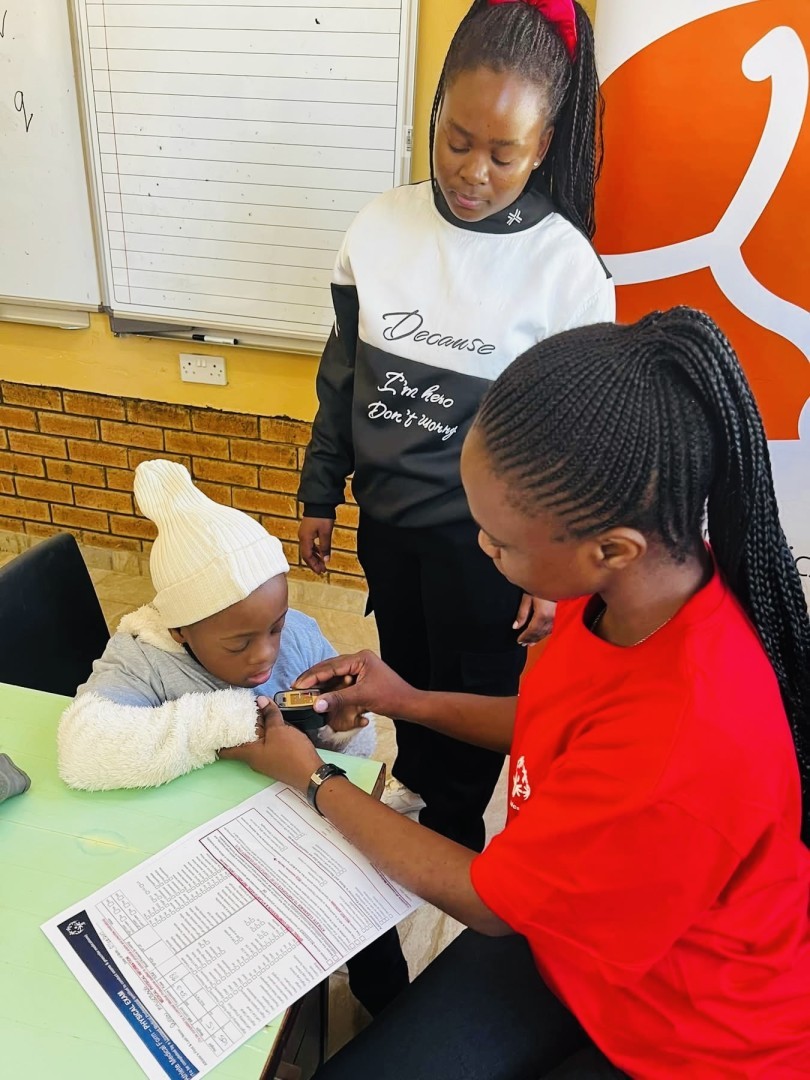
None of this would be possible without a robust ecosystem of clinical partners. Healthy Athletes Botswana has deliberately built networks of specialised providers who support the initiative's work.
"Partnerships enable scale and continuity," the team notes. "For example, collaboration with the Ministry of Health ensures that identified cases are referred and treated within the public system."
The partnership portfolio is extensive:
"This network allows us to deliver specialised services at the community level while maintaining quality and continuity of care," the team affirms.
Support from partners such as the Golisano Foundation has enabled the deployment of specialised screenings at scale, while local authorities facilitate access to remote communities. "This coordinated approach reduces duplication and strengthens system efficiency," the organisation reflects.
At its core, Healthy Athletes Botswana Initiative recognises something essential: you cannot participate fully in sport if untreated health conditions are holding you back.
"We remove health-related barriers to participation by screening and addressing conditions such as poor vision, hearing loss, and untreated health issues," the team explains. "By doing so, individuals are able to participate more consistently in sport, while schools and community programmes promote active lifestyles supported by improved health access."
This creates a virtuous cycle. Health screening removes barriers to sport participation. Better health improves quality of life and confidence. Participation in sport creates social connection and well-being.
The Mission 2030 Award provides more drive for the next phase of Healthy Athletes Botswana's work. The organisation is moving toward greater formalisation and scalability.
"The award accelerates our transition into a structured, data-driven model," they note. "Our next phase includes standardising data collection across all screenings, formalising referral tracking systems, and expanding outreach into additional remote districts."
Importantly, Special Olympics Botswana intends to use this recognition to advocate for policy-level change. "We also intend to use this recognition to advocate for inclusion of disability-specific health indicators within national health strategies."
In other words, the award provides both the credibility and the momentum to move from community programme to systems innovation.
"Next, we are strengthening data systems, formalising referral tracking with partners such as Athlone Hospital and Marina Hospital, and expanding outreach into more remote districts. This recognition enhances our ability to deepen partnerships, attract funding, and advocate for integrating our model into national health systems for long-term sustainability."
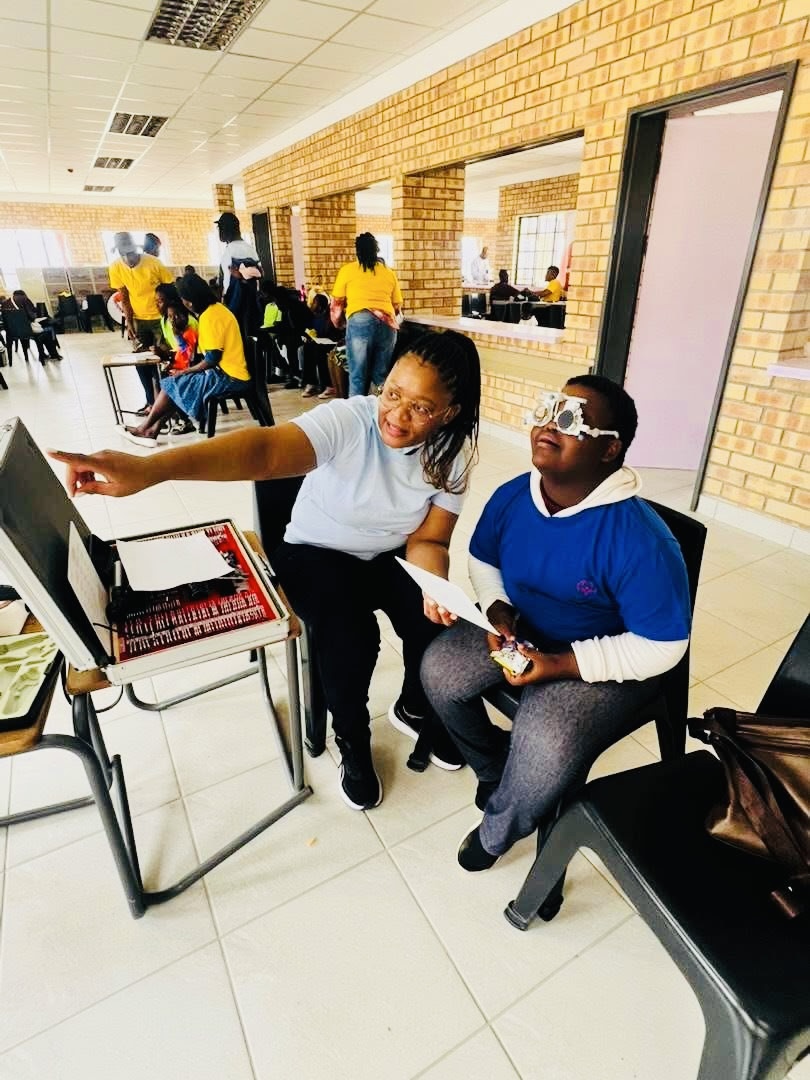
Special Olympics Botswana's message to the global sport and active living community is grounded in a simple but profound truth: sport must be intentionally linked to health outcomes.
"The key lesson is that sport must be intentionally linked to health outcomes. When designed correctly, it becomes a delivery platform for early detection, prevention, and system entry. Our experience shows that reaching marginalised populations requires meeting them where they are, and building systems around their realities, not expecting them to fit into existing ones."
This represents a fundamental reframing of what sport can achieve. Sport can also be about creating trusted community spaces where health services can reach those who otherwise go unseen.
The Healthy Athletes Botswana Initiative uses sport as an entry point to deliver free, community-based health screenings and referrals for people with intellectual disabilities. Operating across rural and urban communities, the initiative identifies untreated vision, hearing, and general health conditions, linking individuals to care through established health partnerships.
By removing health-related barriers to participation in sport, the initiative enables individuals to participate more consistently in physical activity while supporting schools and community programmes in promoting active lifestyles backed by improved health access.
Over 1,000 individuals have been reached in the past year alone, with multiple untreated conditions identified and linked to treatment through the public health system, demonstrating both the demand for and effectiveness of community-based health delivery models.
The initiative operates through partnerships with clinical providers, local authorities, national ministries, schools, and community organisations, ensuring that health screening and referral services are sustainably integrated into existing systems rather than operating as isolated outreach programmes.