Alumni Impact & Storytelling: Voices from the Pathway
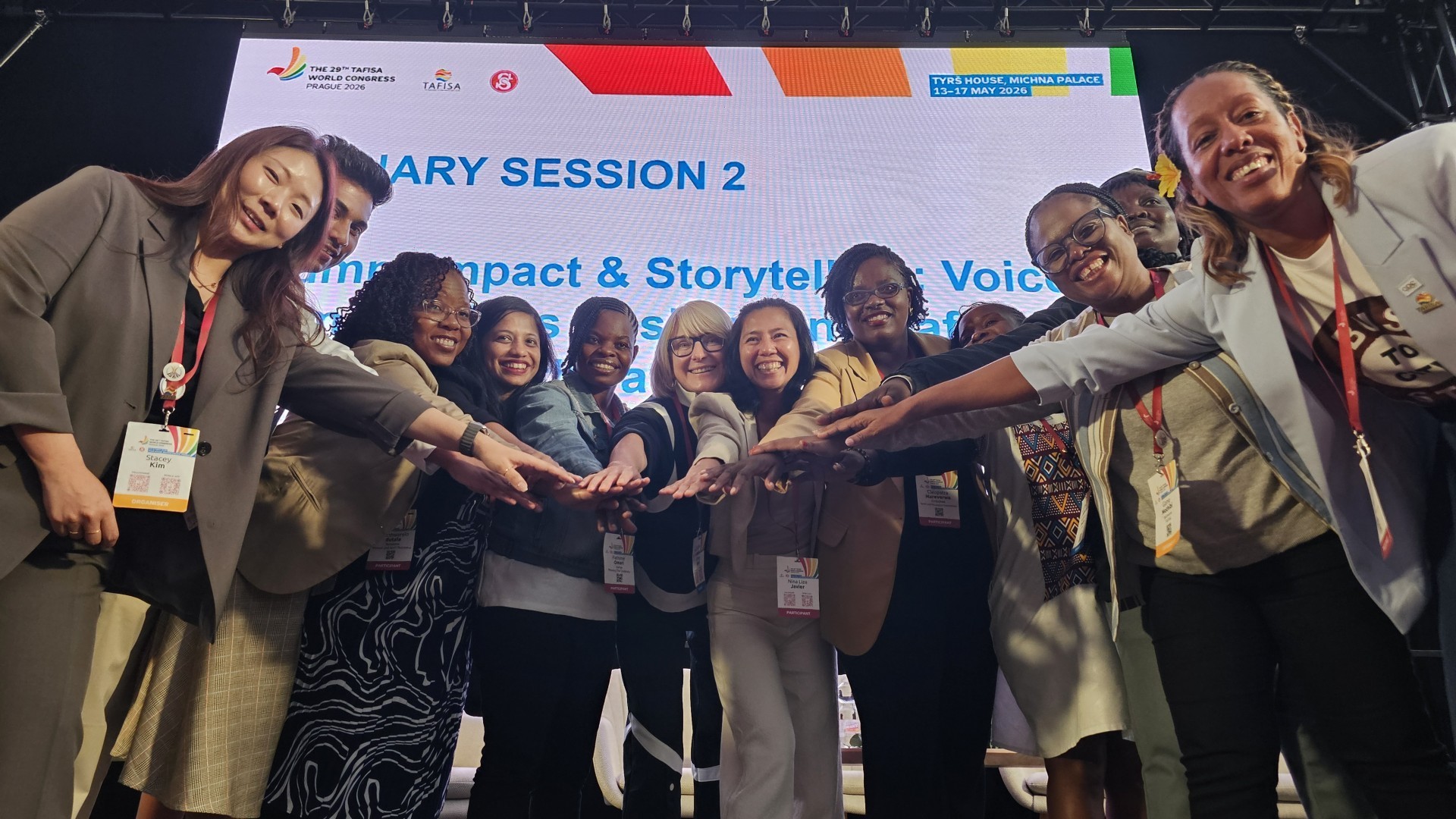
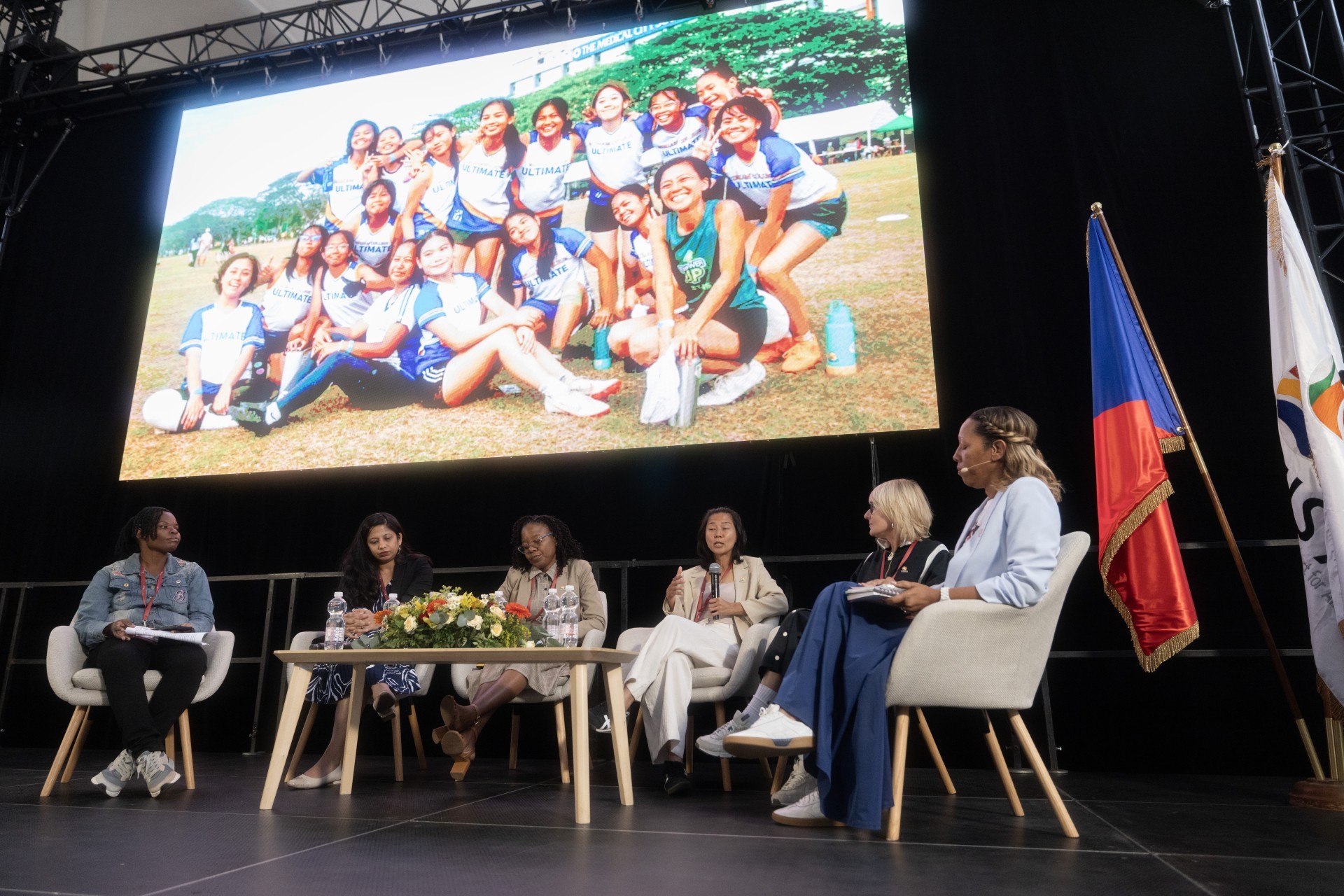
The centrepiece of the Pathway's presence at the Congress was the plenary session Alumni Impact & Storytelling: Voices from the Girls Positive and Safe Coaching Pathway – a powerful, hour-long session that placed alumni voices at the heart of the conversation.
Moderated by Ytannia Wiggins of CANOC (Barbados), the session opened with a keynote by Elena Korf of Nike Inc., who set the tone with a clear message: safe, empowering coaching is not optional – it is the foundation of long-term impact for girls and young women in sport. When you invest in coaches, you invest in the futures of the girls they reach.
What followed was a panel discussion that brought the room to attention. The panel brought together Nina Liza Buenaflor Javier (WFDF, Philippines), Boitshwarelo Butale (Women and Sport Botswana), Fathime Tibu (Moving the Goalposts, Kenya), and Aditi Chinmay Athaley (ITTF Foundation, India). Each from a different country, each carrying a different story, they shared how the Pathway had shifted their practice, their communities, and the girls in their care. Together, their stories illustrated something the data alone cannot show: that the Pathway's impact is not theoretical. It is visible, personal, and multiplying.
Closing the session, Pathway Regional Trainer Rohan Pereira called on the global sport community to move beyond isolated interventions and build stronger networks of shared learning – and to intentionally create more platforms where coaches and practitioners can share their lived experiences, not just as participants in programmes, but as knowledge partners shaping the future of sport itself.
Ten Voices, One Community
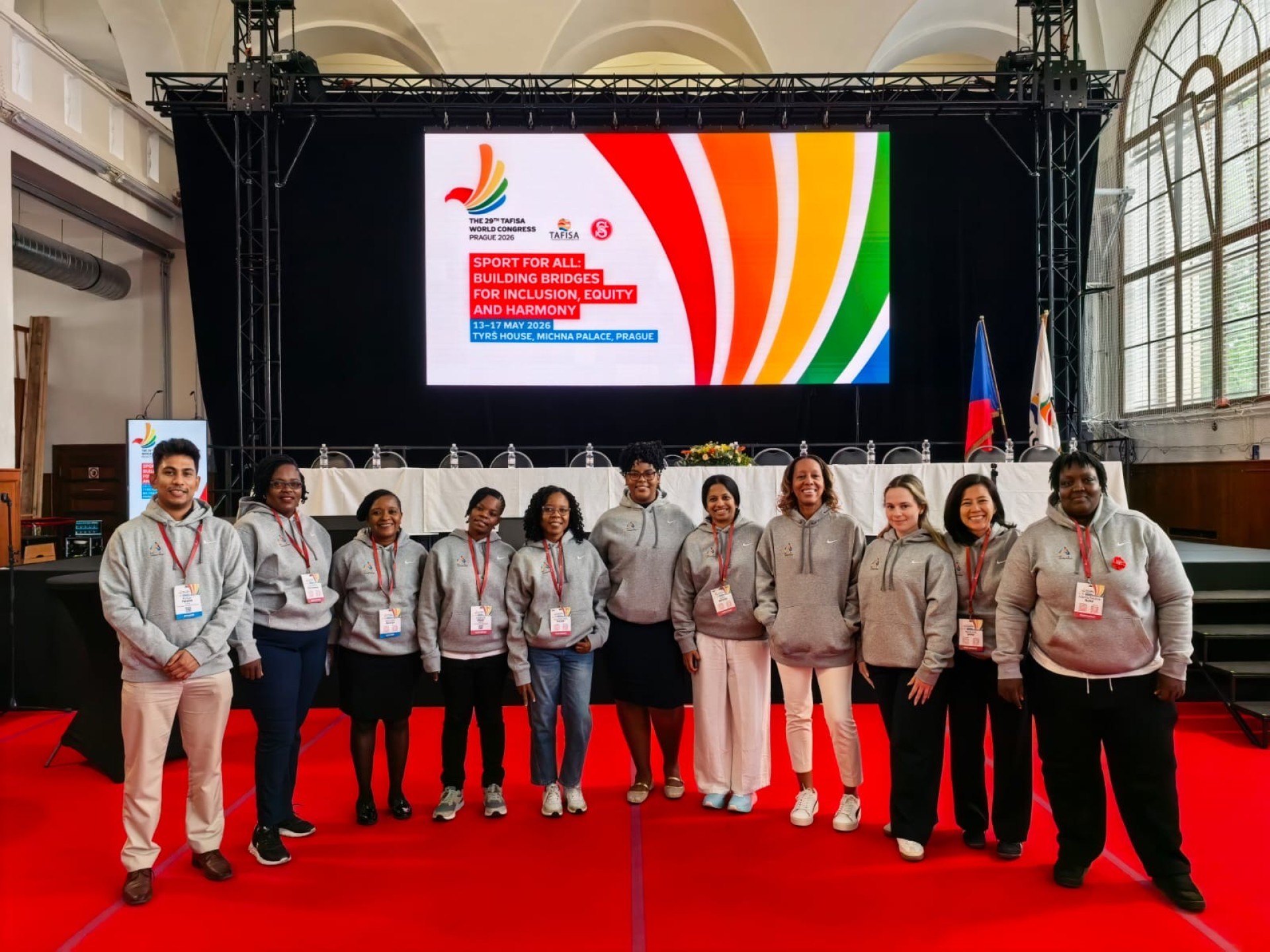
Beyond the plenary, the Congress offered something equally significant – the rare opportunity to bring ten Pathway coaches and trainers together in the same space. For many, it was the first time meeting in person the peers they had trained alongside, learned from, and been inspired by across different countries and contexts.
That gathering was itself a statement: the Pathway is not a collection of isolated programmes. It is a growing community of practitioners, bound by shared values and a shared commitment to the girls they coach.