June 2026 marked the start of an exciting new season of TAFISA Certified Leadership Courses (CLC), with trainings taking place in Lesotho, St. Vincent and the Grenadines, and Moldova. Across three continents, community leaders, sport practitioners, and public officials came together to strengthen their capacity to use Sport for All as a tool for inclusion, development, and social change.
TAFISA's CLC is part of SUCCEED (Supporting Communities Empowerment & Development through Sport for All), a global framework dedicated to fostering community empowerment and development through capacity building in Sport for All, led by TAFISA in collaboration with the IOC through its Olympism365 strategy.
Lesotho: Developing A New Cohort of Sport for All Leaders
From 2–5 June 2026, the Lesotho National Olympic Committee (LNOC) hosted the TAFISA Certified Leadership Course Level 1 in Maseru; the programme is funded by the IOC's Olympic Solidarity initiative.
Facilitated by Tapiwa Masunga (Botswana) and Anneliese Goslin (South Africa), the course brought together 33 participants from local governance structures andrelevant key organisations and foundations. As well as underrepresented and traditionally excluded communities, including refugee communities, people with disabilities, and youth care facilities.
The training was officially opened by representatives of the LNOC and the Ministry of Sport. Over four days, participants explored the value of Sport for All in community development and worked in groups to initiate the design of Sport for All project proposals tailored to their local needs. As a result, 33 new Sport for All leaders are now better equipped to plan and implement initiatives that promote active and inclusive communities across Lesotho. CLC Level 2 training is expected to be hosted in September 2026, with project implementation by teams taking place in the last quarter of 2026.
St. Vincent and the Grenadines: Turning Theoryinto Practice
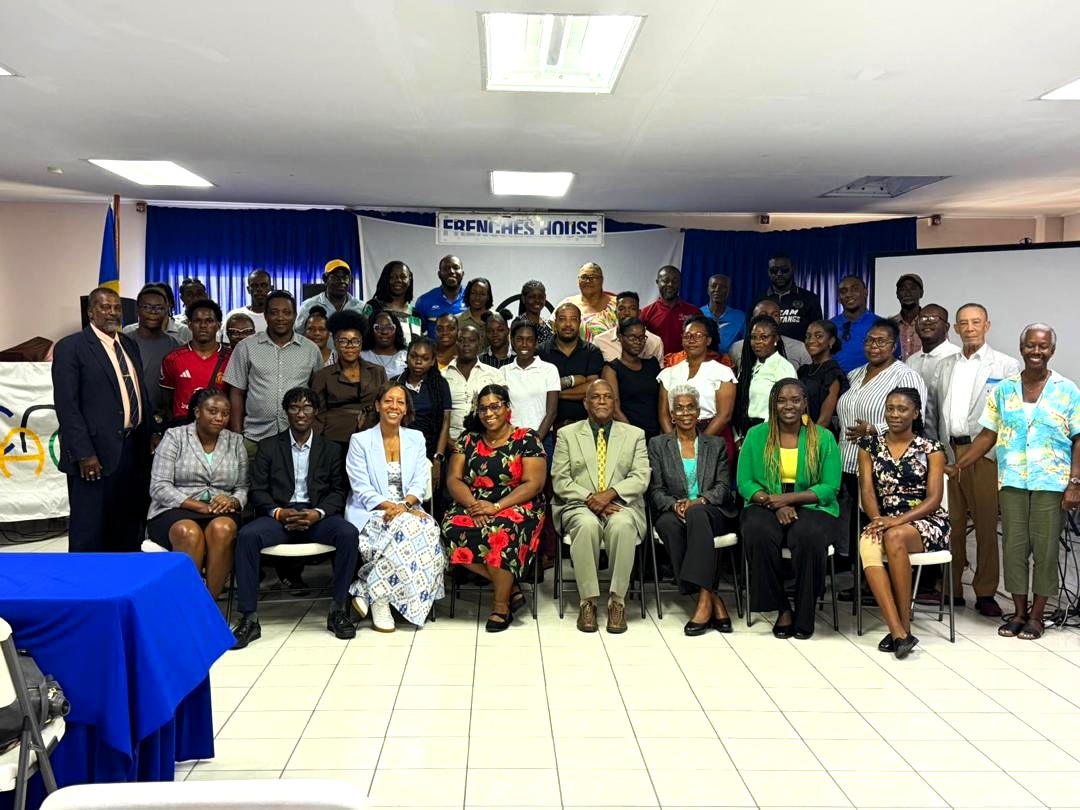
From 3–6 June 2026, the St. Vincent and the Grenadines Olympic Committee (SVGOC) delivered the first level of CLC, where 43 participants from community organisations, the Paralympic movement, and government agencies attended the training in Kingstown. The programme is funded by the IOC's Olympic Solidarity initiative.
Facilitated by Ytannia Wiggins (Barbados) and Kwanieze John (Trinidad and Tobago), the course covered topics including the transformative power of Sport for All, policy and strategy development, and positive leadership. Participants are now developing practical community-based projects that will receive seed grant support for implementation, ensuring that the benefits of the training translate into meaningful local impact. As Degra Michael (Empowerment Division) shared during the Opening Ceremony: "It is not just theory; it is action at work. It is about communities identifying what the needs are, setting clear goals and finding practical solutions, and it is showing that sports is not all about competition; it is a tool for social cohesion and resilience".
The CLC Level 2 training is expected to be hosted in July 2026, with project implementation taking place in the Fall of 2026.
Moldova: Strengthening Regional Cooperation
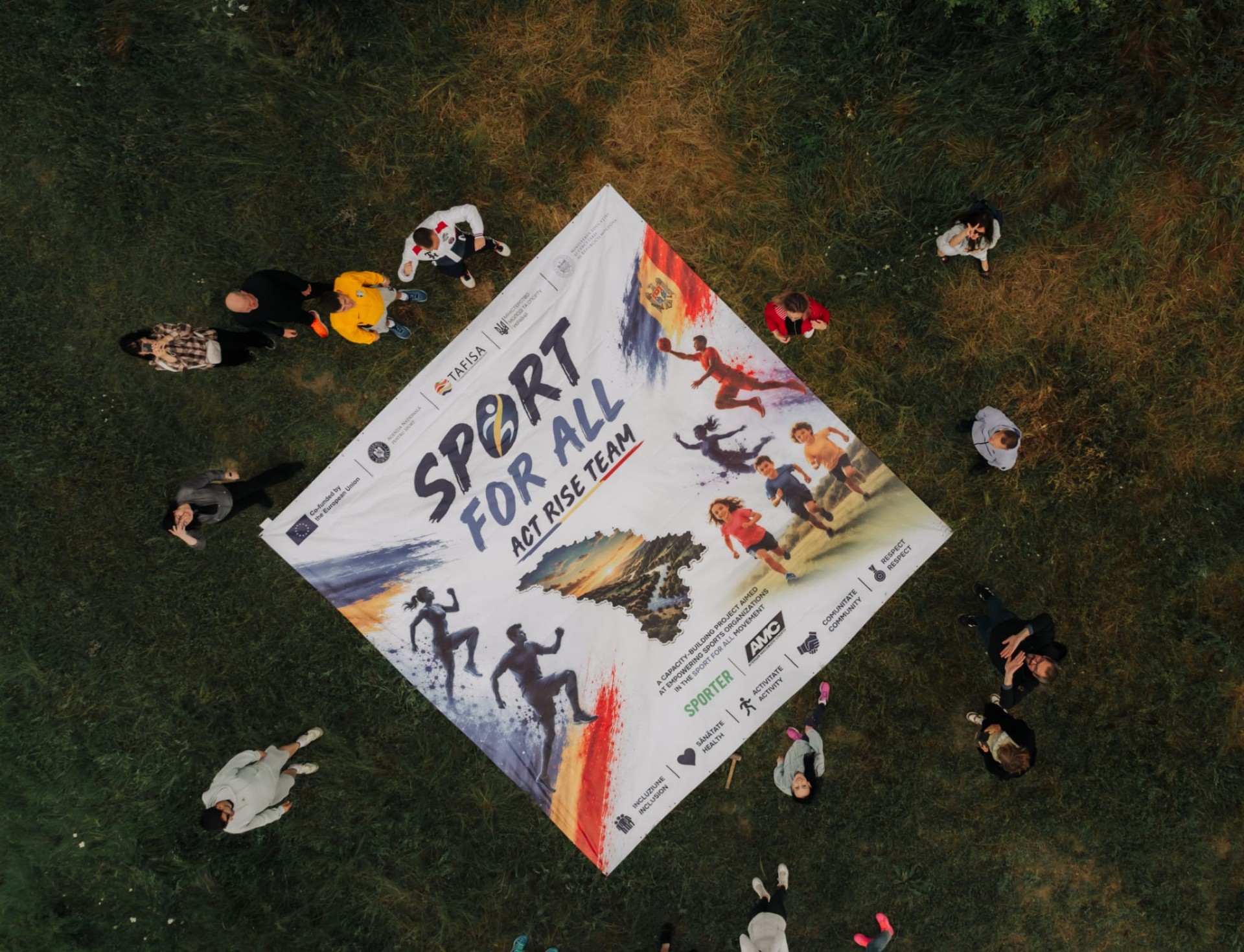
From 8–11 June 2026, TAFISA delivered the CLC as part of the ACT RISE Training in Chi?in?u, Republic of Moldova, where sport professionals, instructors, volunteers, and public officials from Moldova, Romania, and Ukraine gathered for four days of capacity building.
Facilitated by Jörg Benner (Germany) and Patrik Peroša (Slovenia), the training has focused on designing and evaluating inclusive sport programmes, strategic planning, and strengthening cross-border collaboration. Participants will be encouraged to apply their learnings during the European Week of Sport in September 2026, helping to create sustainable Sport for All opportunities throughout the region.
ACT Rise and its activities are co-funded by the European Union through their Erasmus Plus programme.
A Global Commitment to Sport for All
Together, these three trainings highlight the growing global reach of the TAFISA Certified Leadership Course and its role in empowering leaders to create healthier, more inclusive, and more active communities. From Africa to the Caribbean and Europe, participants are turning knowledge into action and strengthening the Sport for All movement worldwide.
Equally important is the contribution of the course facilitators, whose expertise, mentorship, and commitment help inspire participants, build local capacity, and ensure that learning is translated into meaningful community impact.