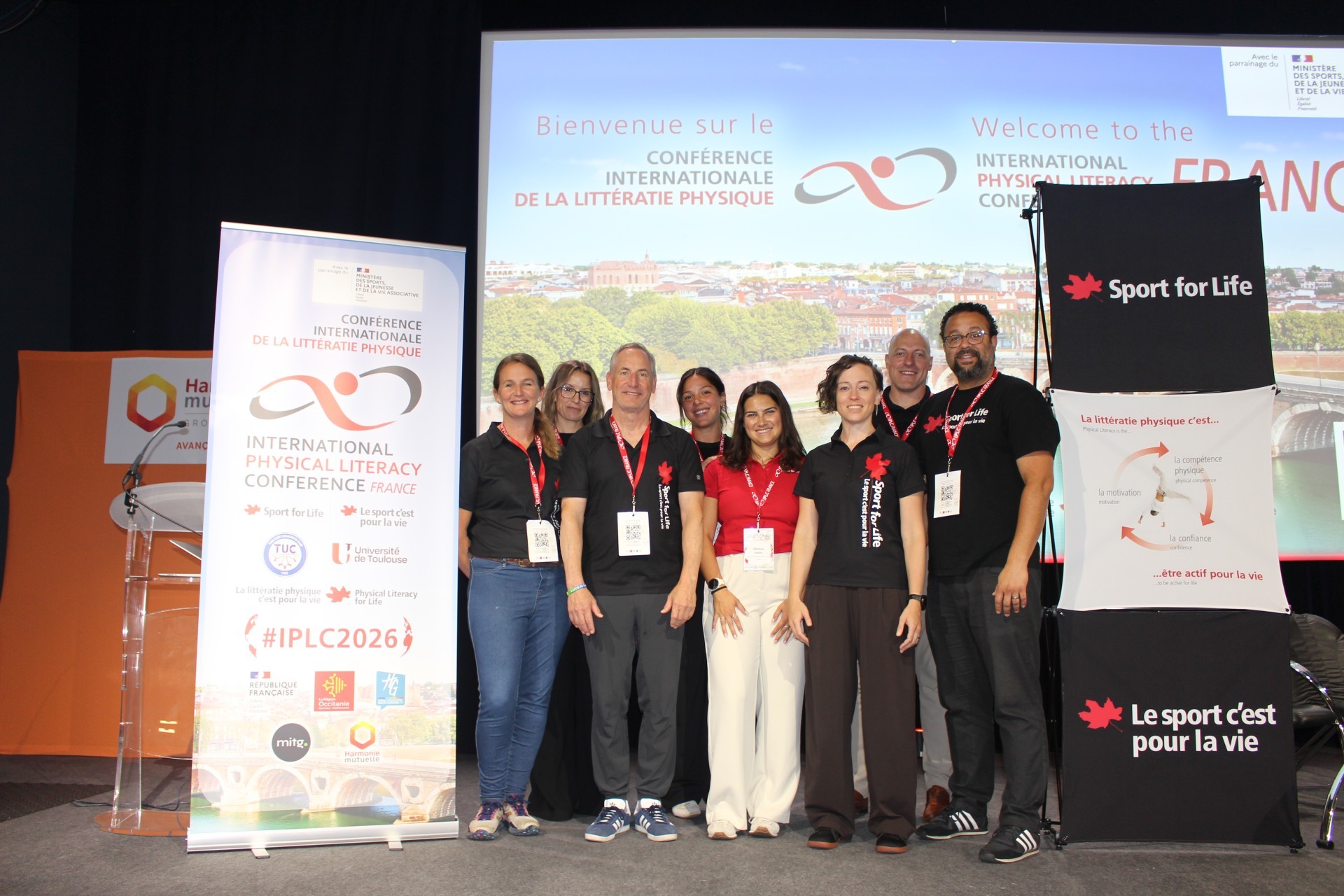
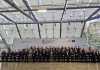
Three days, two languages, and a room that kept getting up to move. From October 1 to 3, the International Physical Literacy Conference (IPLC) 2026 in Toulouse, France brought 172 researchers, educators, coaches, recreation leaders, health professionals, and policy-makers to the Centre de Congrès Pierre Baudis. It was hosted by Sport for Life in partnership with the Toulouse Université Club and the University of Toulouse, under the patronage of France's Ministère des Sports, de la Jeunesse et de la Vie associative and The Association For International Sport for All (TAFISA).
Since it wrapped up, one comment keeps coming back: it was the best IPLC people had attended. In our post-conference survey, nearly 9 in 10 respondents said they plan to use what they learned, and 8 in 10 will share it with colleagues.
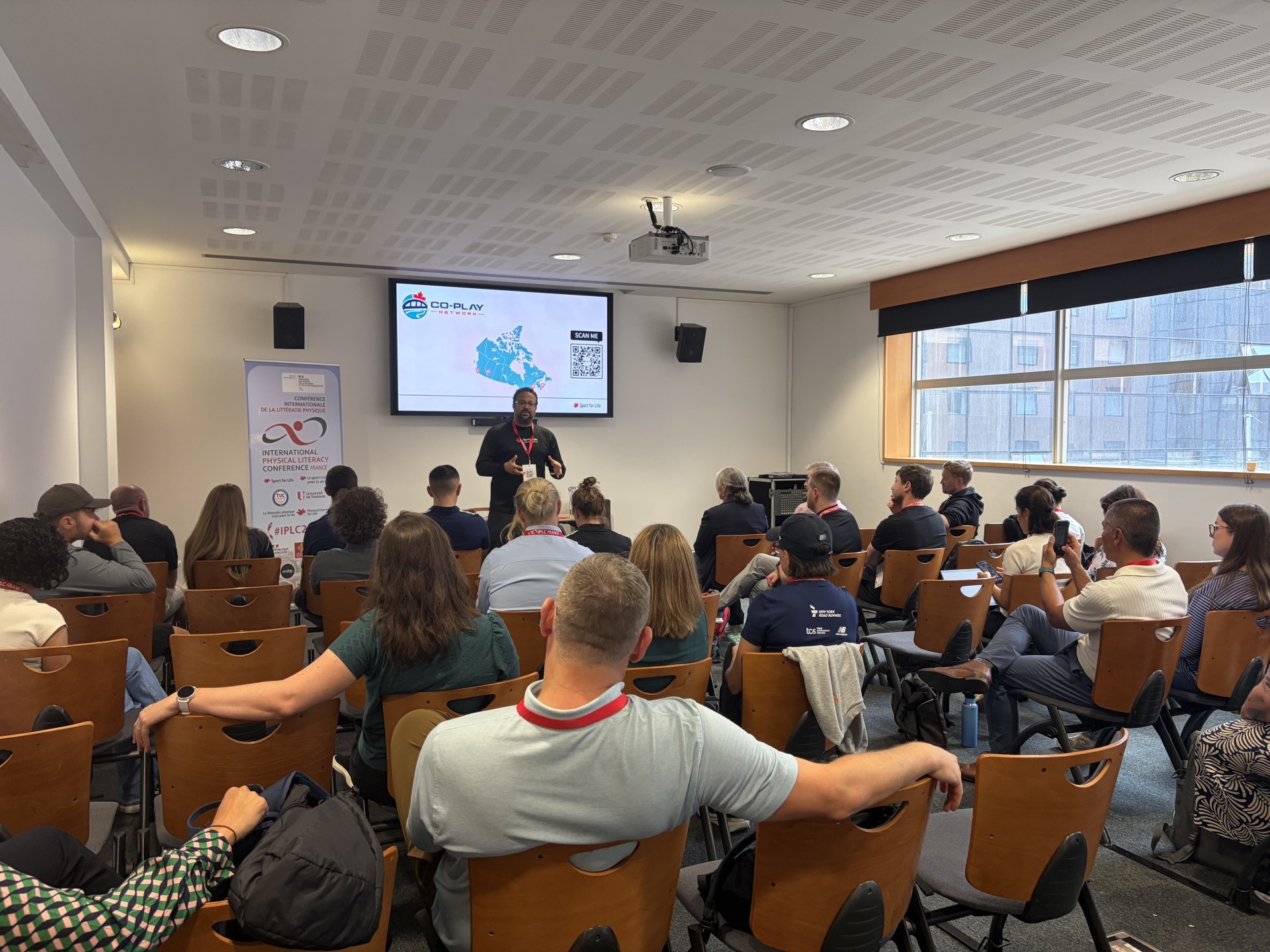
This IPLC 2026 brought together speakers from 13 countries, with sessions in English and French exploring physical literacy across settings and stages of life. Presenters from places including Quebec, France, and Belgium contributed to a program spanning assessment, early childhood practices, adapted physical activity, coaching in underserved communities, and making physical activity a celebration.
That last idea wasn't confined to the presentations. Throughout the three days, Mariette Nko of the Maison Sport Santé Universitaire de Toulouse turned movement into a shared experience, leading playful activity breaks that got the whole room on its feet. Her energy and command of the room made these breaks a conference highlight and ensured that physical literacy was something participants experienced, not just discussed.
Big Questions on the Main Stage
The main stage was built around open questions: Can we envision global governance of human movement as a universal common good? How can we accelerate the transfer of knowledge from research to practice? Do we need a global "New Deal" for prevention? Can we make movement a human right?
In her keynote for the health and prevention plenary, Dr Sarah Benes, an Associate Professor at Southern Connecticut State University, laid out that physical literacy and health literacy examine the same ecosystem through different lenses.¹ Motivation, self-efficacy, access, time, finances, and social connections shape both whether someone moves and whether they can look after their well-being. The Attune to Well-Being Through an Ecosystems Approach (AWE) framework she presented asks practitioners to stop treating these as separate outcomes.
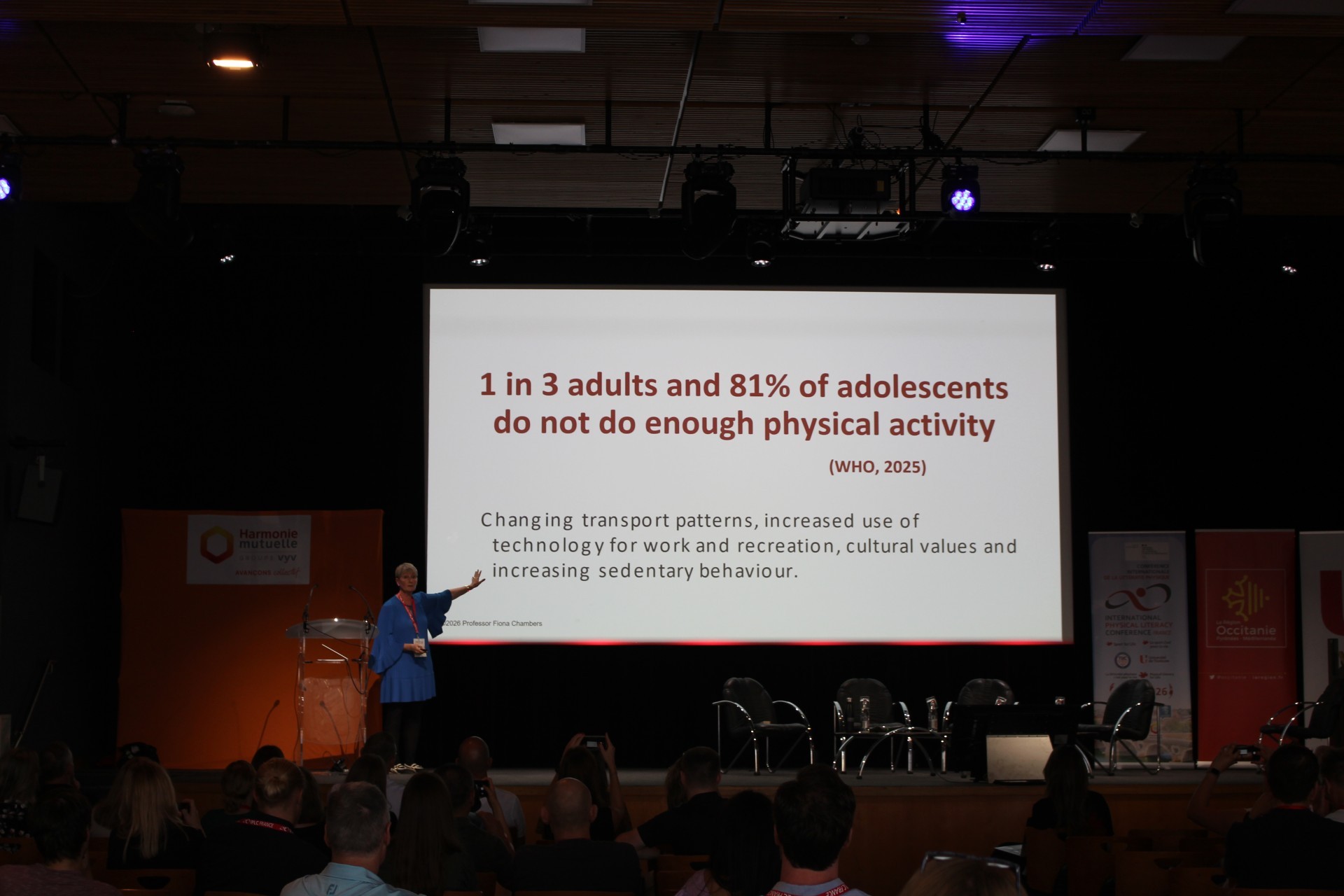
The closing plenary took on the last question: Can we make movement a human right? Professor Fiona Chambers, Professor of Education, Sport and Innovation at University College Cork, opened it with a map of 56 physical literacy and related policies from around the world.² Only two are legally binding: Article 31 of the United Nations (UN) Convention on the Rights of the Child, which recognises every child's right to play, and Article 30 of the UN Convention on the Rights of Persons with Disabilities, which covers equal participation in recreation, leisure and sport. Everything else is guidance, strategy, or political commitment; or, as Professor Chambers put it, "lacked teeth". She then led a discussion on planet-centric innovation and how we might apply design thinking to creating systems change in physical activity and physical literacy.?
In our survey, respondents named Chambers' keynote as a favourite more often than any other session. One described it as "thought-provoking and a refreshing way to frame and reflect on physical literacy at-scale".
Ideas From Across the Program
With more than 30 presentations over three days, every session offered something to take home, and no single article can capture them all. Here are just a few examples.
Pilo Stylin, Sports Development Manager at the Swedish Budo & Martial Arts Federation, made the case for rough-and-tumble play, which develops physical competence, self-regulation, risk management, and empathy. Children who keep hearing "Don't wrestle!" may need to learn how to play this way, starting with shared rules, clear stop signals, and an adult presence. Don't eliminate risk; teach children to navigate it.
Dr Alexandra Stoddart, Associate Professor at the University of Regina, presented on her work with Grade 9 girls and their teachers. One student said she held back in physical education because she was scared of messing up and being yelled at by boys. Through the teacher's experience, their lesson was clear: physical literacy doesn't just happen; it needs to be intentional and explicit.
Carolyn Crang, Professor at Laurentian University, described how Sudbury's partnership of education, health, sport and recreation, and early years organisations grew from a narrow start despite a lack of funding. Their strength is flexibility: each partner gets what they need and want.
Kabir Hosein, Director of Strategic Initiatives at Sport for Life, shared lessons from work with new-to-Canada participants, including Aqua Welcome. His advice: centre the experience on participants and give partnerships time.
While a researcher plenary asked how we can translate knowledge into practice more quickly, this same theme ran through the sessions presented by practitioners and post-secondary institutions. The Sport Information Resource Centre (SIRC) led a session on turning research into real-world impact. Sport England and Liverpool John Moores University presented THRIVE, which translates physical literacy into principles for policy and practice. And Mount Royal University shared its work on a physical literacy competency framework for post-secondary graduates, with a consensus process set to open in February 2027.
"What stayed with me most from IPLC was the power of holistic theories and frameworks that help us understand people, communities and systems together, rather than treating their challenges in isolation. For me, the value of these approaches is that they change not just what we see, but how we act: the questions we ask, the connections we make and the possibilities we recognise for meaningful change," said Saren Blézy, Director of Physical Literacy and Impact at Sport for Life.
What This Means
Three priorities for action emerge from the conference, spanning research, policy and practice:
- For researchers: there are still few shared, population-level measures of physical literacy. Studies presented at IPLC used different instruments without a common framework.
- For policy-makers: only two treaties globally legally protect? Every child's right to play and take part in sport on an equal basis. The open question is: how do we make every child's right to play enforceable, and who is accountable for delivering it??
- For program leaders: older adults were noticeably absent from the conference program. Developing physical literacy for life means looking well beyond childhood and school.
"Toulouse showed how far the physical literacy community has come, and how much further we can go together. The questions we asked on stage don't end with the conference. Our job now is to turn them into policies, programs, and partnerships that help everyone stay active for life," said Drew Mitchell, CEO of Sport for Life.
Thank you to everyone who presented, attended, volunteered, and partnered with us in Toulouse. We also thank our sponsors, the Région Occitanie, Momentum IT Group (MITG), and Harmonie Mutuelle, for their support. We look forward to seeing you all at the next IPLC! Stay tuned for details.
Notes
¹ Sarah Benes, "AWEsome Possibilities: An Ecosystems Approach to Physical Literacy, Health Multiliteracies & Collective Wellbeing" (keynote address, International Physical Literacy Conference, Toulouse, France, October 2, 2026).
² Fiona Chambers, "Live Futures Lab: Futuring Physical Literacy for Everyone (and Everything)" (keynote address, International Physical Literacy Conference, Toulouse, France, October 3, 2026).